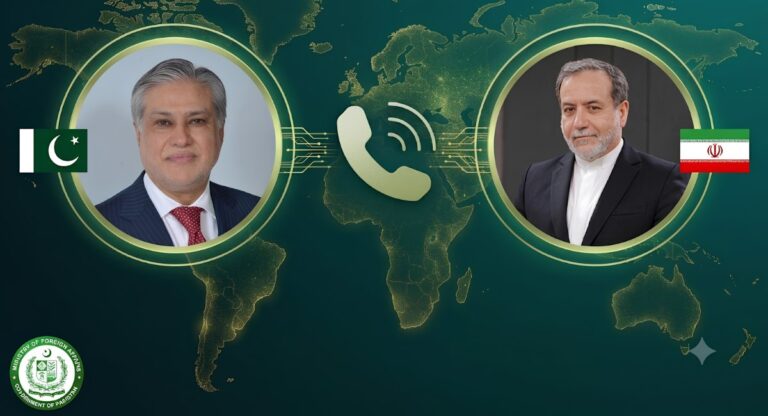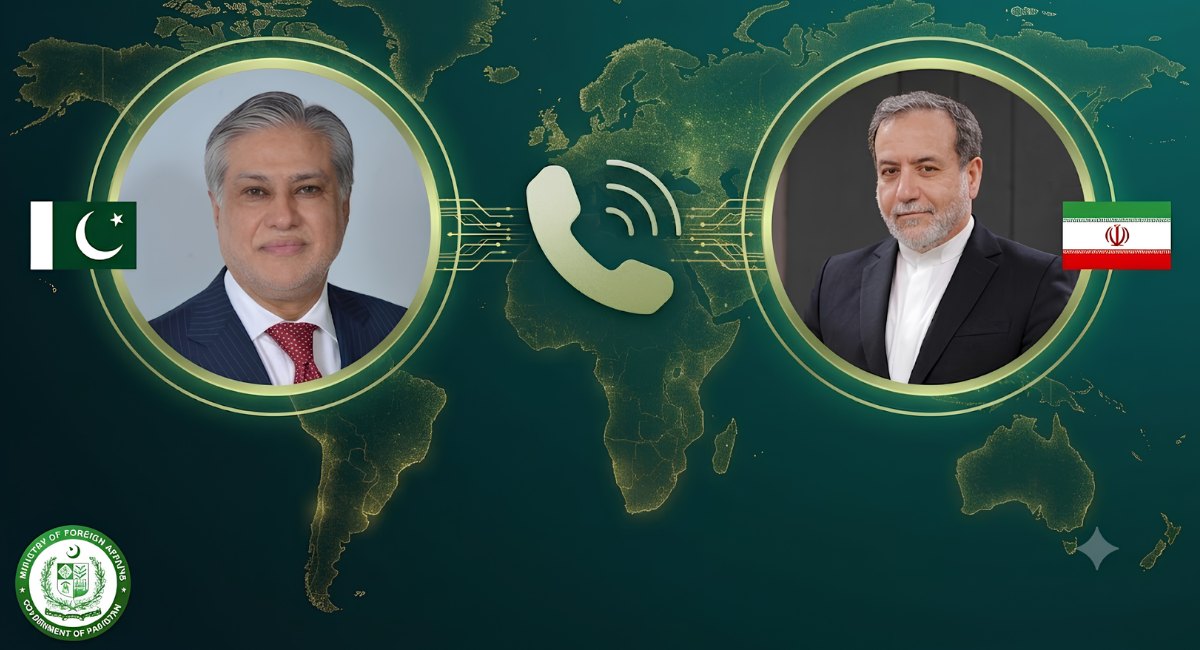
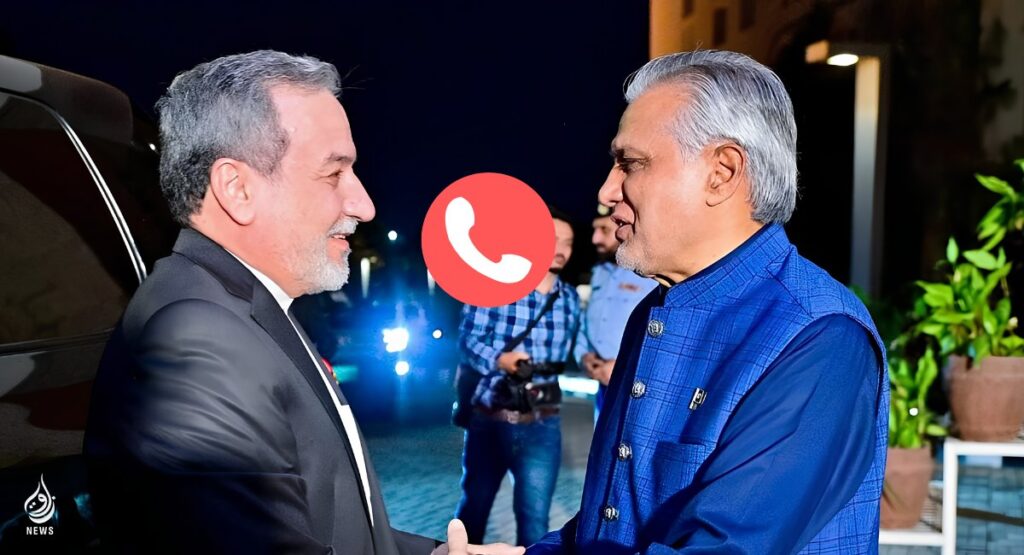
When Deputy Prime Minister Ishaq Dar dialed Iranian Foreign Minister Abbas Araghchi on Sunday, it wasn’t a routine diplomatic courtesy call. It came hours after Iranian forces struck US military assets across the Gulf and Washington hit back with a fresh wave of strikes on Iranian territory, the kind of exchange that, a year ago, would have been unthinkable between two nuclear-adjacent flashpoints. Today, it’s becoming a pattern, and Pakistan has quietly positioned itself as one of the only channels still open between the two sides.
A Mediator Born Out of Necessity
To understand why this phone call matters, you have to rewind to February, when US and Israeli strikes on Iran triggered a war that sent global fuel markets into a tailspin and pushed Tehran to threaten the one chokepoint the world’s oil traders fear most, the Strait of Hormuz. Nearly a fifth of global oil consumption passes through that narrow waterway. When Iran signals it might restrict shipping there, prices move within hours, not days.
Pakistan, sharing a border with Iran and deeply exposed to any disruption in Gulf energy supplies, had every incentive to get involved. But Islamabad’s role went beyond self-interest. Over the following months, Pakistani diplomacy helped broker talks that eventually produced the Islamabad Memorandum of Understanding, a 14-point interim peace framework signed by the US and Iran on June 18, with Pakistan itself a signatory as mediator. That’s a rare distinction. Pakistan doesn’t often get named as a formal party to a US-Iran agreement, and it says something about how far Islamabad has moved from the sidelines of Middle East diplomacy toward its center.
What Actually Happened This Weekend
The ceasefire that followed the June agreement never fully held. Iran has accused Washington of violating it; Iranian negotiator Mohammad Baqer Qalibaf put it bluntly on social media, warning that “the era of one-sided deals is over.” By Sunday, Iran’s Revolutionary Guards claimed strikes on US-linked military infrastructure in Jordan, Kuwait, Oman, and Qatar, while Iran again moved to disrupt traffic through Hormuz. The US responded with its own strikes inside Iran.
It was against that backdrop that Dar called Araghchi. According to Pakistan’s Foreign Office, Dar pressed both sides to return to the “path of de-escalation” laid out in the Islamabad MoU, and repeated a line Pakistani officials have leaned on throughout this crisis: that dialogue and diplomacy are the only viable route to lasting stability, not another round of strikes and counter-strikes. It’s worth noting this wasn’t an isolated gesture: Prime Minister Shehbaz Sharif had made an almost identical call to Iranian President Masoud Pezeshkian just two days earlier, and Field Marshal Asim Munir met Araghchi in person in Tehran around the same period. Pakistan is running this mediation effort on multiple tracks at once: military, head-of-government, and foreign ministry which is unusual and suggests Islamabad sees real strategic value in staying indispensable to both Washington and Tehran.
Why This Isn’t Just Symbolic Diplomacy
It’s tempting to read these calls as boilerplate statements, “both sides discussed the situation,” “agreed to remain in contact,” the kind of language that fills wire copy without telling you much. But there’s a harder logic underneath it.
First, there’s the economic angle. Pakistan is not a bystander to a Hormuz shutdown. A prolonged closure or even partial disruption would hit fuel imports, inflate the current account deficit, and ripple through an economy that is still recovering from previous balance-of-payments stress. Every time Dar urges “restraint,” he’s also protecting Pakistan’s own fuel security.
Second, there’s the credibility Pakistan has built as a broker that both Washington and Tehran are still willing to talk to. That’s not a small thing in a region where most third parties have picked a side. Iran has publicly thanked Pakistan for facilitating the safe return of Iranian sailors and fishermen caught up in the conflict, and Araghchi has repeatedly acknowledged Islamabad’s “constructive role,” language that governments don’t hand out for free. Maintaining that trust requires Pakistan to keep showing up, call after call, even when the ceasefire it helped negotiate keeps fraying.
Third, and this is the part easy to miss: mediators who stay engaged after a deal starts breaking down often end up with more leverage than the ones who only show up to sign the original agreement. If the Islamabad MoU eventually gets renegotiated or reinforced, Pakistan’s continuous presence on both phone lines strengthens its claim to a seat at that table too.
What Happens If This Doesn’t Hold
The uncomfortable truth is that shuttle diplomacy of this kind buys time, not resolution. Each call from Dar or Sharif slows the spiral for a news cycle, but the underlying dispute over sanctions relief, enforcement mechanisms, and mutual accusations of bad faith hasn’t been resolved since June. If strikes continue at this pace, three things become more likely: sustained upward pressure on oil prices that will show up at Pakistani petrol pumps within weeks, renewed pressure on regional shipping insurers that raises the cost of doing business through the Gulf, and a real test of whether the Islamabad MoU survives as anything more than a symbolic first step.
For Pakistan specifically, there’s also a reputational bet being placed. If this mediation eventually produces a durable ceasefire, Islamabad walks away with genuine diplomatic capital, the kind that translates into leverage in future dealings with both Washington and Tehran. If it collapses entirely, the same effort risks looking like wasted motion. Right now, the calls keep coming because neither outcome has been decided yet.
About the Author