PPP Criticises Government Over Petrol Price Hike Before Ramazan
The Pakistan Peoples Party (PPP) has strongly criticised the federal government following the latest increase in petrol and high-speed diesel prices, calling the move unfair and poorly timed just days before the holy month of Ramazan.
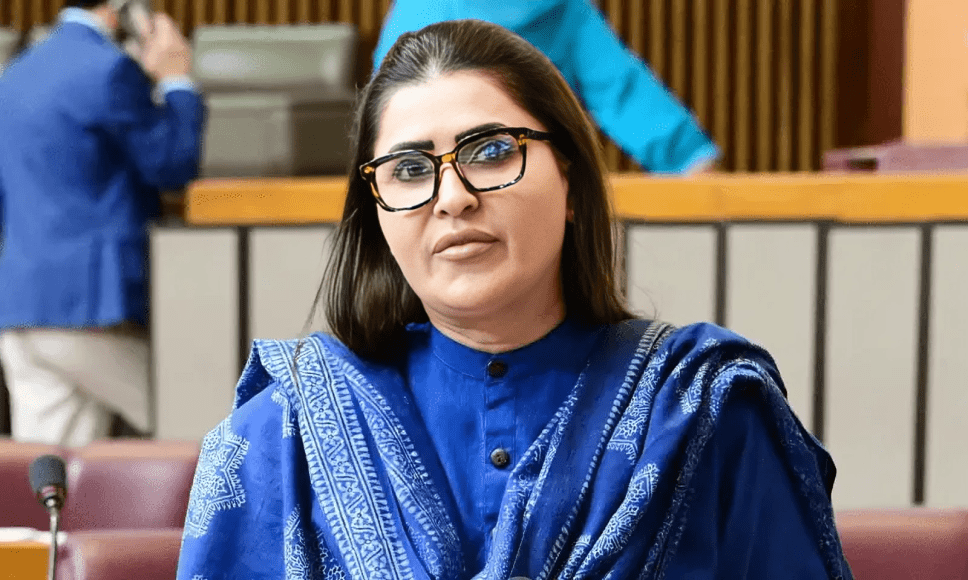
PPP Central Spokesperson Shazia Marri described the decision as a financial shock for citizens already struggling with inflation. She urged authorities to reconsider the hike and provide meaningful relief instead of adding to public hardship.
Petrol Prices Increased Ahead of Ramazan
The federal government announced an increase of Rs5 per litre in petrol and Rs7.32 per litre in high-speed diesel (HSD). Following the revision, the ex-depot price of petrol now stands at Rs258.17 per litre, while HSD has reached Rs275.70 per litre.
Officials stated that the new fuel prices would remain in effect until the end of February. The adjustment, according to the government, was made in response to changes in international market rates.
However, opposition leaders argue that the timing of the increase has raised serious concerns, particularly as families prepare for Ramazan, a period traditionally associated with increased household spending.
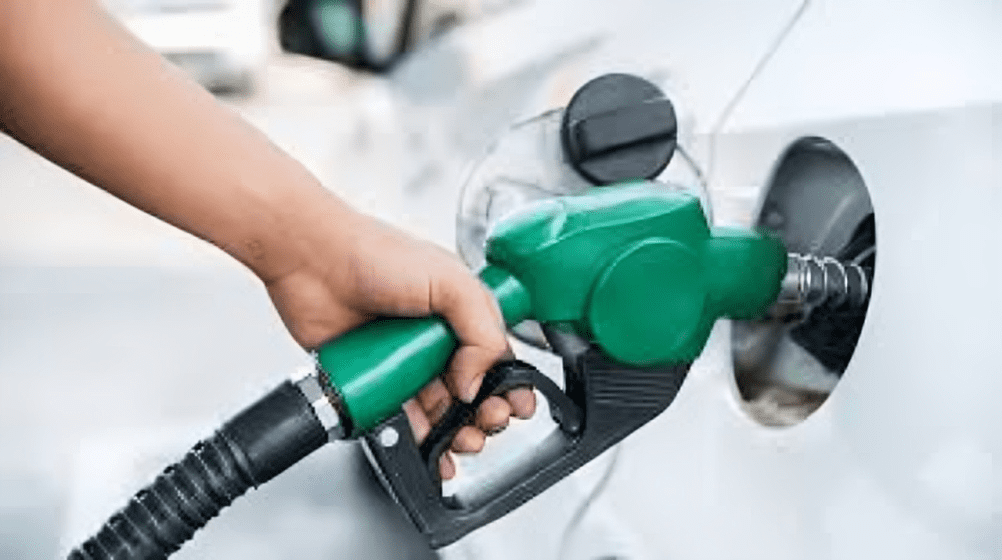
PPP Terms Petrol Hike “Unjust and Unwise”
In an official statement, Shazia Marri rejected the government’s decision to raise petrol prices, calling it “unjust” and “ill-advised”. She said increasing fuel costs just before Ramazan places additional financial strain on citizens who are already facing high living expenses.
Marri described the move as a “petrol bomb” on the public, arguing that it would further increase inflation at a time when many households are struggling to manage daily expenses.
She emphasised that fuel prices directly impact transportation, food supply chains, and essential services. Any increase in petrol and diesel prices, she warned, would likely result in higher prices for basic goods across the country.
Petrol Price Impact on Inflation and Daily Life
Economists often point out that petrol and diesel play a central role in determining overall market prices. When fuel becomes more expensive, transportation costs rise, which in turn affects food prices and other daily necessities.
Marri highlighted this concern in her statement, saying that the latest petrol price hike would particularly affect the poor, labourers, and the middle class. She argued that wage earners and small business owners are already under pressure due to record inflation and stagnant incomes.
She also questioned the government’s broader economic approach, stating that instead of imposing additional financial burdens, policymakers should focus on easing the economic difficulties faced by citizens.
You Most nread this news: England Escape Italy Shock to Enter T20 Super Eightshttps://zavianews.com/england-escape-italy/
Government’s Position on Petrol Pricing
The federal government has defended the increase, explaining that fuel prices are linked to global oil market trends. Officials maintain that adjustments are necessary to align domestic rates with international fluctuations.
At the same time, the government has announced a Ramazan relief package to support low-income families. However, opposition parties argue that raising petrol prices while offering relief packages sends mixed signals.
Marri described the situation as contradictory, stating that while the government talks about assistance programs, rising fuel prices undermine those efforts by pushing overall inflation higher.
Calls to Review the Petrol Hike
The PPP spokesperson urged the government to review its decision and consider withdrawing the increase immediately. She also called for greater focus on tackling unemployment and stabilising the economy rather than implementing policies that may intensify public hardship.
As Ramazan approaches, the debate over petrol pricing has once again drawn attention to broader economic challenges facing the country. Fuel prices remain a sensitive issue, as they influence nearly every sector of the economy.
Conclusion
The recent petrol price hike has sparked renewed political debate, with the PPP warning of its potential impact on inflation and household budgets. While the government attributes the increase to global market trends, critics argue that the timing is particularly burdensome for citizens preparing for Ramazan.
With fuel costs closely tied to the cost of living, the issue is likely to remain central in public and political discussions in the weeks ahead.
Follow Us On Social Media Channels:-
Like On FACEBOOK
Visit our WEBSITE
Subscribe to YouTube
Follow On TWITTER
Follow On INSTAGRAM
About the Author