Medical Devices Exports Drive 34% Growth in Pakistan’s Health Sector
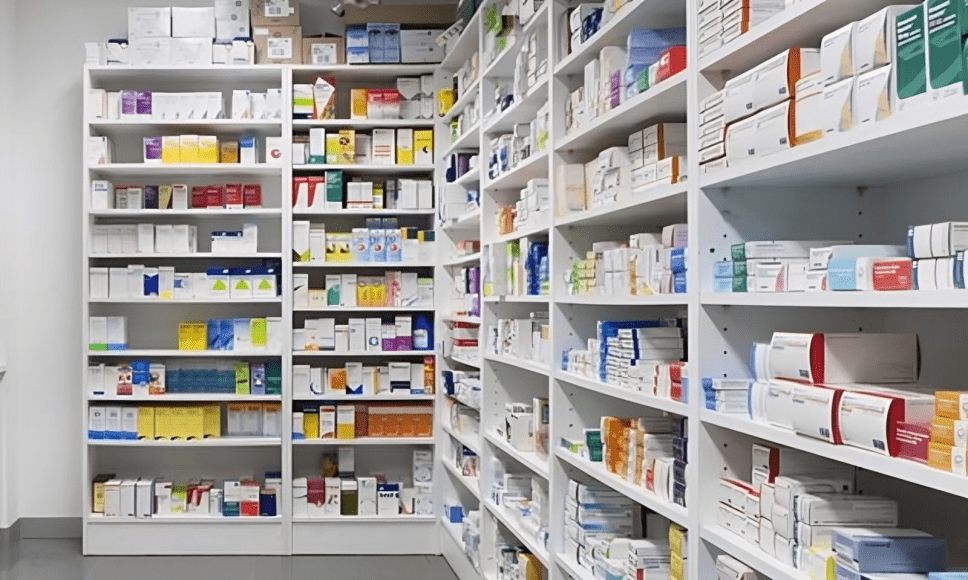
Islamabad: Pakistan has recorded a significant 34 percent increase in exports of medicines and medical equipment, reflecting major improvements in regulatory systems and institutional reforms. According to the Drug Regulatory Authority of Pakistan (DRAP), the surge in exports is largely due to transparency, digital transformation, and streamlined approval processes.
Officials say the growth highlights Pakistan’s expanding footprint in the global pharmaceutical and healthcare market while also delivering direct benefits to local consumers and manufacturers.
Medical Devices Exports Rise After Regulatory Reforms
DRAP stated that effective regulatory reforms have made it possible to save billions of rupees by reducing inefficiencies and delays. These reforms have not only strengthened oversight but also improved service delivery for exporters and healthcare companies.
Nearly 70 percent of regulatory operations have already been digitized, and authorities aim to achieve 100 percent digital processing by March. The move toward digital governance is expected to further enhance Pakistan’s competitiveness in international markets.
Medical Devices Exports Boosted by Digital Systems
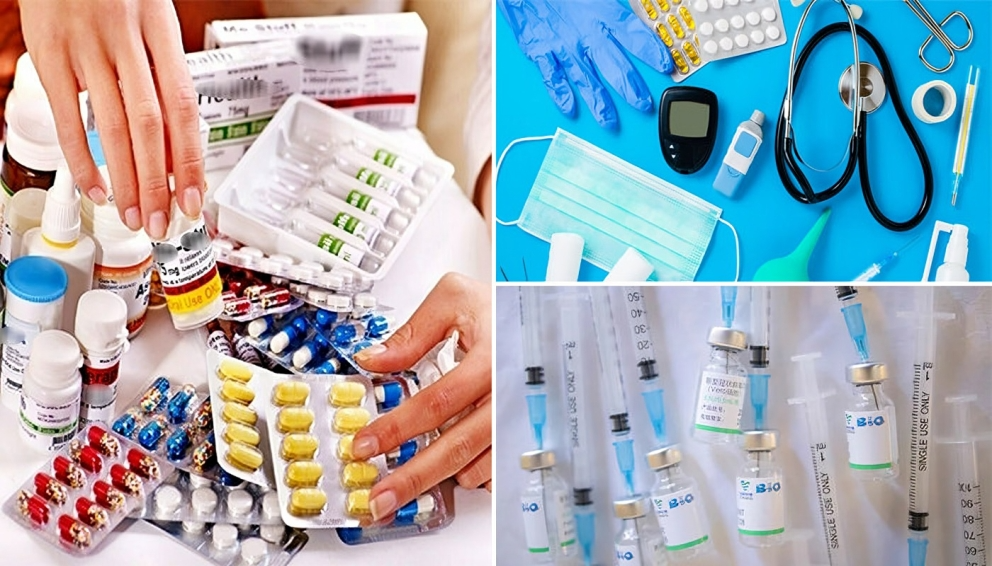
The introduction of an online medical devices registration system, e-office operations, and a one-window facility has significantly reduced processing times. Officials confirmed that these measures have cut delays and improved transparency across the board.
Medical Devices Exports Accelerated Through Faster Certifications
DRAP reported that certificates such as FSC and COPP, which earlier required around 30 days, are now being issued within five days. Similarly, the registration process for medical devices has been reduced to approximately 20 days.
These improvements have helped exporters meet international demand more efficiently while strengthening confidence among foreign buyers.
Medical Devices Exports Support Pakistan’s Self-Reliance Goals
Authorities said reforms are being implemented under a one-window operation framework to make Pakistan self-sufficient in the pharmaceutical sector. Fast-track approval systems have also been introduced for new therapies and cancer-related products, ensuring quicker availability and export readiness.
You Must Read This News: University of London Brings New Education Vision to Pakistan
Medical Devices Exports Strengthened by Quality Control Measures
To ensure high standards, a nationwide quality control laboratory network has been established. This system is designed to ensure compliance with international safety and quality benchmarks, enhancing the credibility of Pakistani exports.
In addition, a draft National Vaccine Policy has been prepared to support long-term planning and domestic production capacity. Work is also underway on a roadmap for the local production of Active Pharmaceutical Ingredients (APIs), which will reduce reliance on imports and lower costs.
Medical Devices Exports Gain Recognition at Federal Level
DRAP’s reform efforts have received official recognition. In December 2025, the Prime Minister awarded the Drug Regulatory Authority of Pakistan the “Reform Champion Award” in acknowledgment of its strong performance and successful implementation of institutional reforms.
Medical Devices Exports Signal Strong Future for Healthcare Industry
Experts say the sharp rise in Medical Devices Exports demonstrates how regulatory efficiency and digital transformation can unlock economic potential. With faster approvals, improved oversight, and global compliance standards, Pakistan’s pharmaceutical and medical equipment sectors are well-positioned for sustainable growth.
About the Author