Explosions Rock Tehran After Joint US-Israel Attack on Iran
Tehran, the capital of Iran, witnessed a series of explosions today following a joint military operation carried out by the United States and Israel. According to Iranian media, multiple Israeli missiles struck the University Street area and the Democratic District, creating widespread panic and chaos in the city.
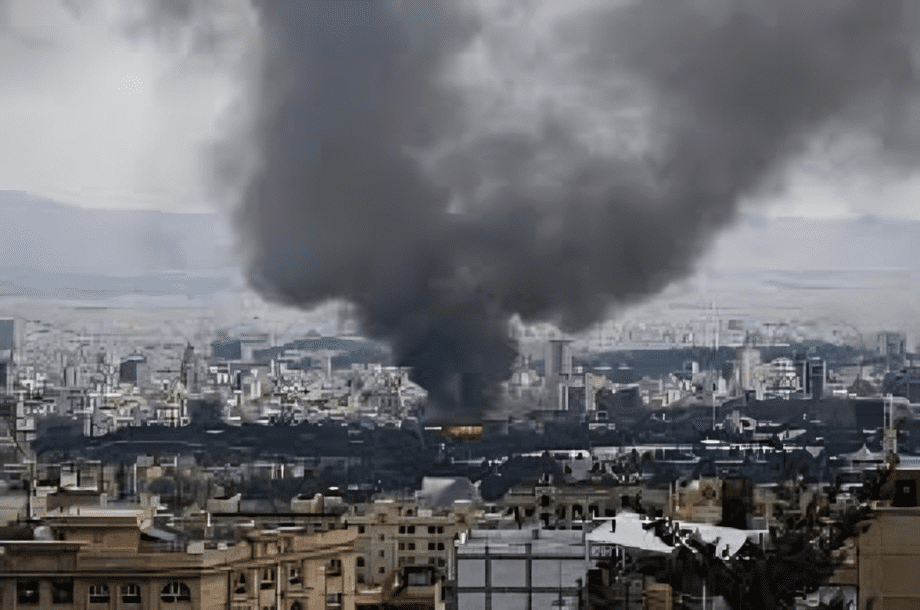
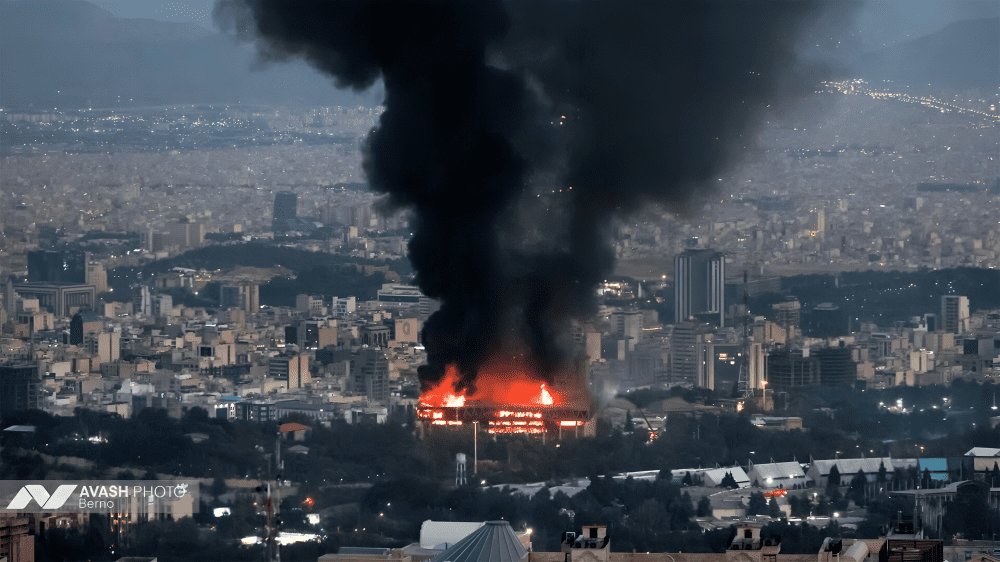
Thick smoke was reported rising from the outskirts of Tehran, and authorities are working to assess the damage and casualties. This marks one of the most significant attacks on Iran in recent years, escalating tensions in the region and raising concerns about a broader conflict.
Details of the Missile Strikes in Iran
Reports from Iranian news outlets indicate that several Israeli missiles targeted key areas in Tehran. The impact of these strikes has caused severe damage to residential and commercial buildings, with many residents fleeing to safer locations.
Officials in Iran have confirmed the severity of the strikes but have not released immediate information regarding casualties. The chaotic scenes were further amplified as smoke enveloped the capital, making rescue and relief operations difficult.
Israel Confirms Preemptive Strikes
The Israeli Defense Ministry has publicly confirmed the missile attacks on Iran, stating that they were preemptive measures aimed at countering perceived threats from the Iranian government. Schools across Israel have been closed, and citizens were warned to avoid airports as airspace safety measures are being implemented.
The military operation by Israel, in collaboration with the United States, highlights ongoing strategic tensions between Iran and Western allies. Sirens sounded in parts of Jerusalem, indicating heightened alert across the region.
United States Response and Embassy Alerts
In response to the escalation, the US Embassy in Qatar instructed its personnel to seek shelter immediately. American citizens in Qatar have also been advised to remain in secure locations until further notice.
Former US President Donald Trump, who has been critical of ongoing talks with Iran, expressed dissatisfaction over recent diplomatic developments. The current military action seems to reflect the heightened tensions between Washington and Tehran.
Safety Precautions and Civilian Impact
The missile attacks on Iran have not only targeted strategic locations but have also caused widespread fear among civilians. Thick plumes of smoke have been observed from various parts of Tehran, and local authorities are urging residents to stay indoors until the situation stabilizes.
In Israel, precautionary measures have included the closure of schools and restricted access to airports. The rapid escalation has put both Iranian and Israeli authorities on high alert, with security forces mobilized across key areas.
You must read this news: Karachi Old City Raid: 98 Illegal Afghans Detained Shockingly
Regional Implications of the Attack on Iran
Analysts warn that this joint US-Israel operation could further destabilize the Middle East. Any retaliatory response from Iran could escalate into a larger conflict affecting neighboring countries and global security. The international community has been closely monitoring developments, with multiple countries calling for restraint and dialogue.
The missile strikes underline the fragile nature of peace in the region, and experts suggest that diplomacy and negotiations remain critical to prevent further bloodshed.
Conclusion: Escalating Tensions Between Iran, Israel, and the US
The attacks on Tehran mark a serious escalation in the ongoing conflict involving Iran, Israel, and the United States. With schools closed, airspace restricted, and civilian populations on high alert, the situation remains tense and unpredictable.
As authorities in Iran assess the damage and respond to the attacks, the world watches closely, fearing that continued hostilities could spiral into a broader regional confrontation. This incident highlights the urgent need for dialogue and diplomatic solutions to avoid further violence and protect civilians caught in the crossfire.
Follow Us On Social Media Channels:-
Like On FACEBOOK
Visit our WEBSITE
Subscribe to YouTube
Follow On TWITTER
Follow On INSTAGRAM
About the Author