Khamenei Reportedly Killed in US-Israeli Strikes as Middle East Tensions Escalate
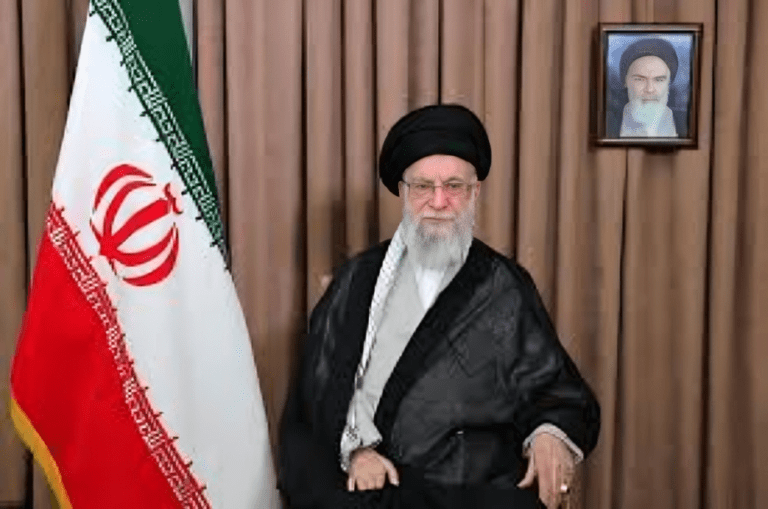
A dramatic escalation in Middle East tensions has emerged following reports that Iranian Supreme Leader Khamenei was killed in a large-scale joint military operation carried out by the United States and Israel. Iranian state media confirmed the martyrdom of Ayatollah Ali Khamenei, announcing seven days of national mourning and a 40-day period of remembrance across the country.
However, conflicting statements from Iranian authorities, Israeli officials, and international sources have created uncertainty around the full details of the incident. As the situation develops, governments worldwide are closely monitoring events due to their potential global impact.
Khamenei Targeted in Major Joint Operation
According to Israeli officials, the operation specifically targeted Khamenei and other top Iranian leaders. Reports claim that approximately 30 bombs were dropped on a compound believed to be associated with the Supreme Leader. Israeli and Western media outlets suggested that Khamenei was inside an underground bunker at the time of the attack.
Senior Israeli sources stated that the body of Khamenei had been located following the bombardment. US officials also indicated that they believed Khamenei and several senior Iranian commanders were killed in the strike.
Iranian state media later confirmed the death of Khamenei and reported that several family members, including his daughter and other relatives, were also killed in the attack.
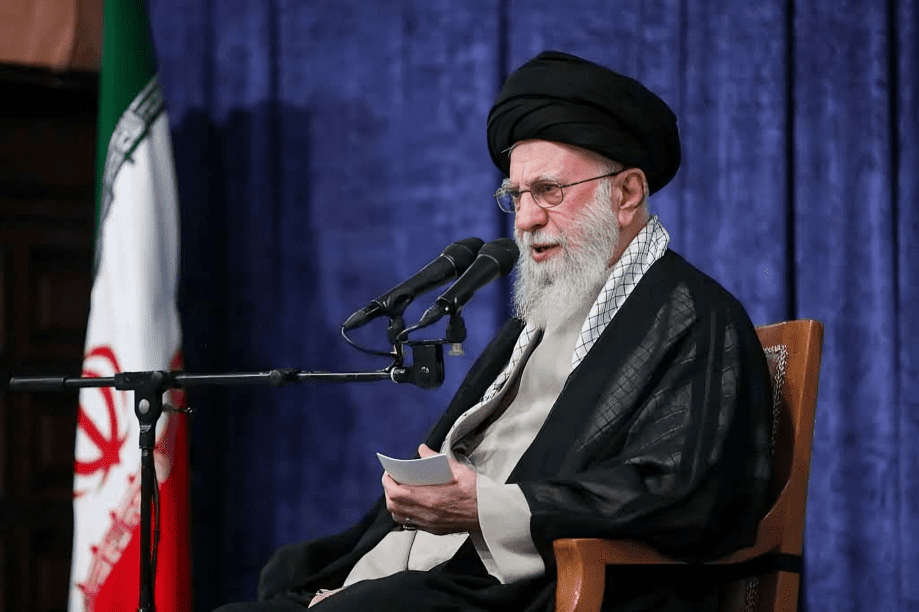
Conflicting Statements About Khamenei’s Status
Despite widespread reports, there were also contradictory claims. Earlier statements from Iran’s Foreign Ministry said that Khamenei was safe and actively commanding operations. His office accused foreign governments of engaging in psychological warfare.
Later updates from international media suggested that Khamenei may have been relocated to a secure location before or during the attacks. Iranian military officials also issued statements claiming that senior leadership remained operational.
These conflicting reports have added to the confusion, leaving the international community waiting for verified confirmation.
Scale of the Strikes on Iran
The joint US-Israeli operation reportedly involved hundreds of aircraft targeting multiple locations across Iran. Israeli sources claimed that over 200 aircraft struck approximately 500 targets in various cities, including Tehran, Isfahan, Qom, Karaj, Tabriz, and Kermanshah.
Iranian authorities reported that 201 citizens were killed and more than 747 injured in the strikes. Among those reportedly killed was Iranian Defense Minister Amir Nasserzadeh, along with senior members of the Revolutionary Guard.
Airspace was closed across several countries in the region, including Iran, Iraq, Israel, Kuwait, Bahrain, and the United Arab Emirates, as a precautionary measure.
Regional Retaliation After Khamenei Reports
Following the reported death of Khamenei, Iran launched retaliatory missile strikes targeting Israeli and US-linked facilities in the region. Missile alerts were activated in northern Israel, and emergency shelters were opened across the country.
Iran also claimed to have targeted US bases in Qatar, Kuwait, Bahrain, and the UAE. The Qatari and Bahraini governments stated that missiles entering their airspace were intercepted. UAE authorities confirmed defensive operations and heightened security readiness.
Dubai and Abu Dhabi reported explosions near airport areas, while several regional airports temporarily suspended operations.
International Reactions to Khamenei’s Reported Death
World leaders and international organizations reacted swiftly. The United Nations Secretary-General urged restraint and called for immediate diplomatic dialogue to prevent further escalation. He stressed that ongoing hostilities risk destabilizing not only the Middle East but global security as well.
Human rights advocates also expressed concern over civilian casualties. Nobel laureate Malala Yousafzai stated that the loss of innocent lives, particularly children and students, was deeply troubling and called for an immediate end to violence.
Saudi Arabia warned that violations of national sovereignty could have serious consequences, while Kuwait suspended certain religious gatherings as a precaution due to security concerns.
Strategic Importance of Khamenei’s Leadership
For decades, Khamenei has been the central authority in Iran’s political and military structure. As Supreme Leader, he held ultimate control over key national decisions, including defense, foreign policy, and internal security.
If confirmed, the death of Khamenei would mark a historic turning point for Iran’s governance system. Political analysts suggest that such a development could create uncertainty regarding succession and internal power dynamics.
Some opposition figures abroad, including Reza Pahlavi, have called for renewed public protests in Iran, urging citizens to demand political change. However, others caution that instability could result in prolonged unrest.
Economic and Global Market Impact
One of the most significant consequences of the escalating conflict has been the announcement by Iran’s Revolutionary Guards that the Strait of Hormuz would be closed. This waterway handles approximately one-fifth of global crude oil shipments.
Energy analysts warn that prolonged disruption could significantly impact global oil prices and international supply chains. Financial markets have already shown volatility amid growing fears of a wider conflict.
The International Atomic Energy Agency stated it is closely monitoring the situation to ensure there is no nuclear risk or radiation threat in the region.
You must read this news: Iran: Supreme Leader & President Targeted in Deadly Attack
US and Israeli Position on Khamenei Strike
US President Donald Trump claimed in a public statement that the operation represented justice and described it as a significant moment for the Iranian people. He emphasized that military actions would continue until strategic objectives were achieved.
Israeli Prime Minister Netanyahu confirmed that large-scale operations were ongoing and stated that further targets could be hit in the coming days.
Both countries maintain that their actions were preemptive security measures aimed at preventing long-term threats.
What Happens Next After Khamenei Reports?
As of now, uncertainty remains regarding the exact sequence of events surrounding Khamenei. While Iranian state media confirmed his martyrdom, earlier statements denied his death. The lack of fully verified information has kept global attention focused on Tehran.
Diplomatic channels are under intense pressure to prevent broader war across the Middle East. With multiple countries involved directly or indirectly, the coming days are expected to be critical.
The reported killing of Khamenei, if definitively confirmed, would represent one of the most significant geopolitical events in recent history. It could reshape regional alliances, security strategies, and international diplomacy for years to come.
Conclusion
The reported death of Khamenei in joint US-Israeli airstrikes has triggered one of the most volatile periods in recent Middle East history. Conflicting claims, regional retaliation, and global concern highlight the seriousness of the situation.
While questions remain unanswered, the international community continues to call for calm and dialogue. The unfolding developments will determine whether this crisis escalates further or transitions toward diplomatic resolution.
Follow Us On Social Media Channels:-
Like On FACEBOOK
Visit our WEBSITE
Subscribe to YouTube
Follow On TWITTER
Follow On INSTAGRAM
About the Author