Iran Faces Deepening Digital Isolation After Prolonged Internet Shutdown
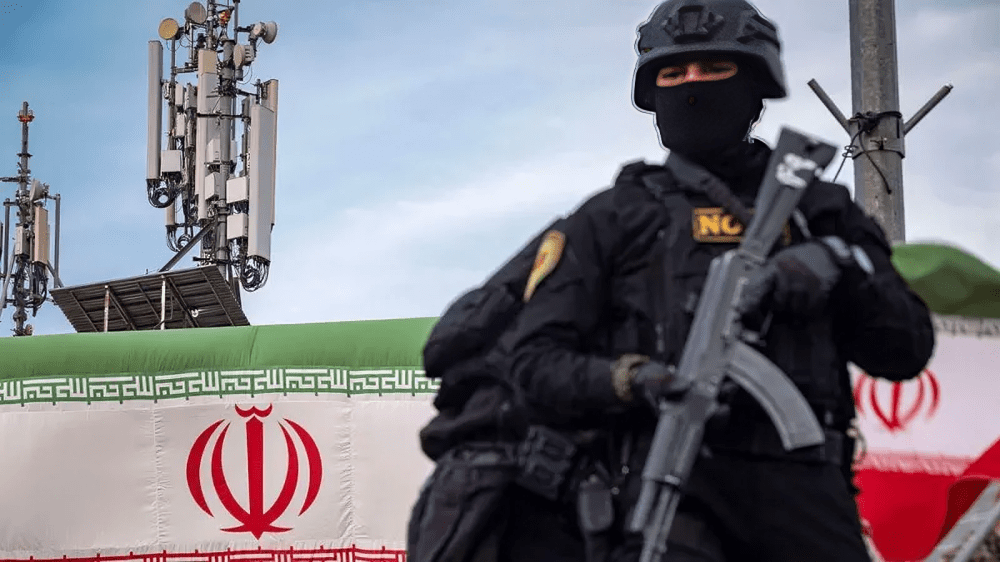
Iran has entered the second week of what observers are calling one of the most severe internet shutdowns in modern history, leaving the country’s population almost completely cut off from the outside world. Internet access, mobile data, and even basic phone and text messaging services have been disrupted for millions, raising serious concerns about long-term digital isolation.
While officials claim the move was necessary for national security, critics and rights groups say it appears aimed at silencing dissent and limiting international attention amid an ongoing crackdown on protests.
Iran’s Internet Shutdown Raises Long-Term Fears
Ten days into the blackout, there are growing fears that Iran may not restore internet access anytime soon. Reports from journalists and independent media outlets suggest international web access could remain unavailable until at least late March
Behind the scenes, digital rights observers believe Iran is preparing to fundamentally change how internet access works inside the country. Rather than a temporary disruption, experts warn the shutdown could mark the beginning of permanent restrictions on access to the global internet.
Iran Moving Toward Controlled Internet Access
According to organizations that monitor online censorship, Iran may be shifting toward a system where international internet access is no longer automatic. Instead, access could be granted only after approval, registration, or vetting by authorities.
Digital rights experts say the infrastructure for such control has existed for years, but the current crisis may be accelerating its implementation.
A Familiar Pattern in Iran’s History
Iran has long imposed restrictions on online platforms. Major social media networks and foreign news websites have been blocked for years, forcing many Iranians to rely on virtual private networks to bypass censorship.
Internet shutdowns have also been used repeatedly during periods of unrest. Similar blackouts were imposed during nationwide protests in 2019 and 2022, as well as during regional tensions in 2025. However, observers note that the current shutdown has lasted longer and appears more comprehensive than any previous case.
Human and Economic Impact
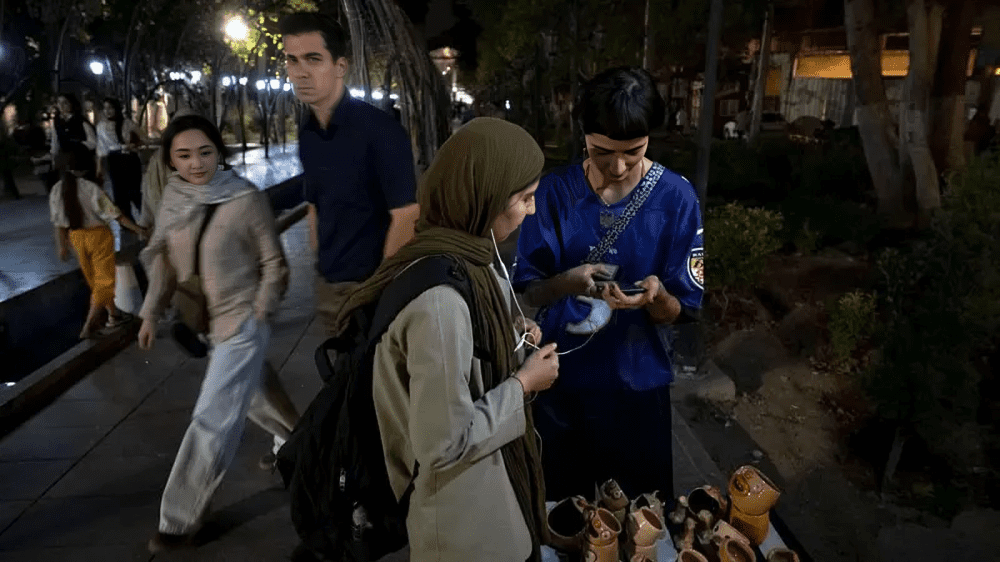
The prolonged shutdown is already taking a heavy toll. Online businesses, freelancers, and digital services have seen their work come to a standstill. E-commerce platforms, payment systems, and customer support channels have been badly affected, cutting off income for thousands of families.
The lack of internet access has also made it difficult to verify reports related to protests. Human rights organizations say thousands of deaths and arrests have been reported, but exact figures remain uncertain due to the communication blackout.
You Must Read This News: Pakistan Passport Jumps in Global Ranking, Visa Power Grows
Iran at Risk of Becoming a “Digital Blackout State”
Internet monitoring groups warn that the country may be heading toward what they describe as extreme digital isolation. With access tightly controlled and surveillance expanded, citizens could find themselves disconnected not only from social media but also from essential global information sources.
Analysts say key decisions around internet policy in Iran are increasingly concentrated within security institutions, rather than civilian or technical bodies. This shift has raised concerns about transparency and accountability.
Will Iran Restore Full Access?
Some experts caution that permanently isolating this country from the global internet may prove difficult due to economic pressure, public resistance, and technical challenges. Internet providers and users may adapt by finding alternative communication methods.
Conclusion
Iran’s ongoing internet shutdown is no longer seen as a short-term security measure. Instead, it has become a defining moment for the country’s digital future. As uncertainty continues, millions remain cut off from the world, waiting to see whether Iran reconnects—or retreats further into isolation.
This news was taken from the BBC
About the Author