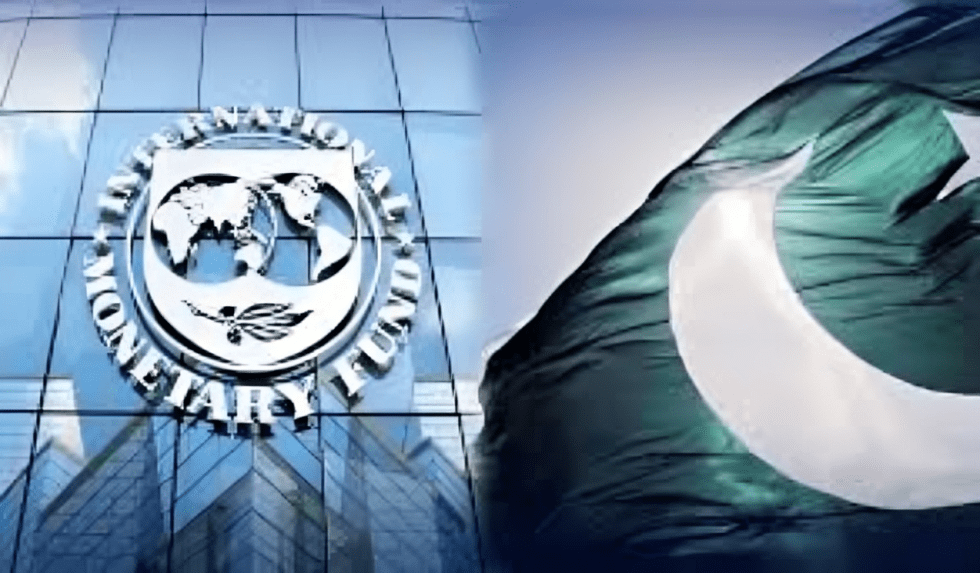
IMF Delegation Arrives in Pakistan for Key Economic Talks
A high-level IMF delegation has arrived in Pakistan to conduct the third review under the country’s $7 billion Extended Fund Facility (EFF) loan program. The delegation visited the State Bank of Pakistan in Karachi, meeting with officials to discuss the nation’s economic performance and progress on reforms.
The talks aim to finalize the fourth tranche of the loan program, with Pakistan expected to secure about $1.2 billion if negotiations progress smoothly. Sources say the delegation will remain in Pakistan until March 11, holding detailed briefings and technical sessions.
Economic Performance Briefing for IMF Delegation
During the visit, the IMF mission will be briefed on Pakistan’s economic performance from July to January. State Bank experts will provide a detailed overview of fiscal policies, foreign exchange reserves, and monetary measures taken during the first half of the current fiscal year.
The primary balance for July to December reportedly remained in surplus at Rs. 4,105 billion. Pakistan’s current account deficit is estimated at 0.6% of GDP for the current fiscal year, demonstrating stabilization efforts in key sectors.
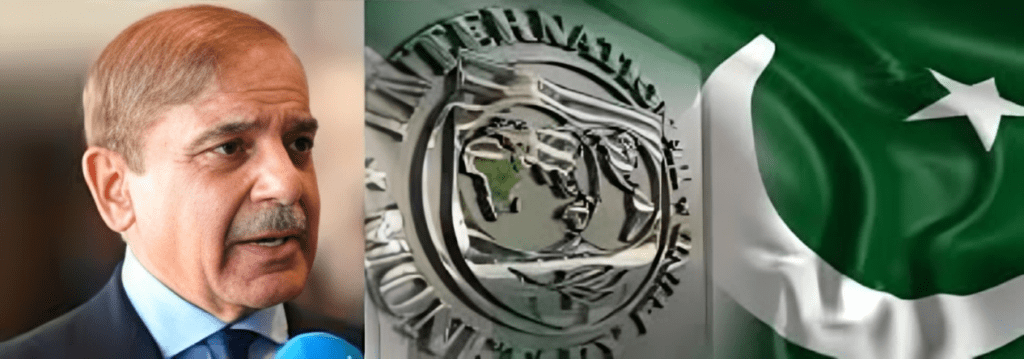
IMF Reviews Tax Reforms and Energy Sector Policies
The IMF delegation will examine Pakistan’s economic reforms, including tax collection measures, energy sector policies, and efforts to stabilize monetary policy. Officials will also highlight anti-terror financing and anti-money laundering measures, which are key components of the IMF’s compliance requirements.
Technical discussions will also focus on inflation, banking regulations, and improving the State Bank’s foreign exchange reserves. The IMF has set a target of increasing reserves to $17.8 billion by June 30, with projections suggesting net reserves may reach $23.3 billion in the next fiscal year.
Extended Fund Facility and RSF Program Discussions
In addition to the third EFF review, the International Monetary Fund will also discuss Pakistan’s participation in the Resilience and Sustainability Trust under the Resilience and Sustainability Facility (RSF) for climate-related programs. Successful negotiations could result in Pakistan receiving an additional $200 million under the RSF program.
The RSF is aimed at supporting countries in tackling long-term structural challenges, particularly those linked to climate change and environmental sustainability. For Pakistan, the funding would help strengthen climate adaptation measures, improve disaster resilience, and support reforms in the energy and water sectors. Officials believe that progress under the RSF will not only unlock additional financial support but also enhance investor confidence and stabilize the country’s economic outlook.
Experts will also review targets achieved during the first half of the fiscal year, including fiscal discipline, revenue collection, and reforms in the financial and energy sectors.
You must read this news: Australia vs Bangladesh Full Test Schedule Announced
IMF Praises Pakistan’s Economic Reforms
According to sources, the IMF has acknowledged Pakistan’s progress in implementing economic reforms and maintaining macroeconomic stability. The delegation will hold multiple technical sessions with State Bank officials to assess areas requiring further improvement, such as monetary policy adjustments and foreign exchange management.
The visit marks a crucial step in ensuring Pakistan meets its loan conditions, while also securing funding to support economic growth and fiscal stability ahead of the new fiscal year.
Conclusion: Key Outcomes Expected from IMF Visit
The IMF delegation’s visit is a pivotal moment for Pakistan’s ongoing economic recovery. By reviewing fiscal and monetary measures, foreign reserves, and compliance with anti-money laundering policies, the discussions aim to strengthen Pakistan’s financial position and ensure the timely release of the fourth tranche of the EFF loan.
If successful, Pakistan will not only receive critical funding but also gain the IMF’s technical guidance for sustained economic growth, paving the way for greater investor confidence and macroeconomic stability in the upcoming fiscal year.
Follow Us On Social Media Channels:-
Like On FACEBOOK
Visit our WEBSITE
Subscribe to YouTube
Follow On TWITTER
Follow On INSTAGRAM
About the Author