Iran, US Agree on Key Principles During Geneva Nuclear Talks
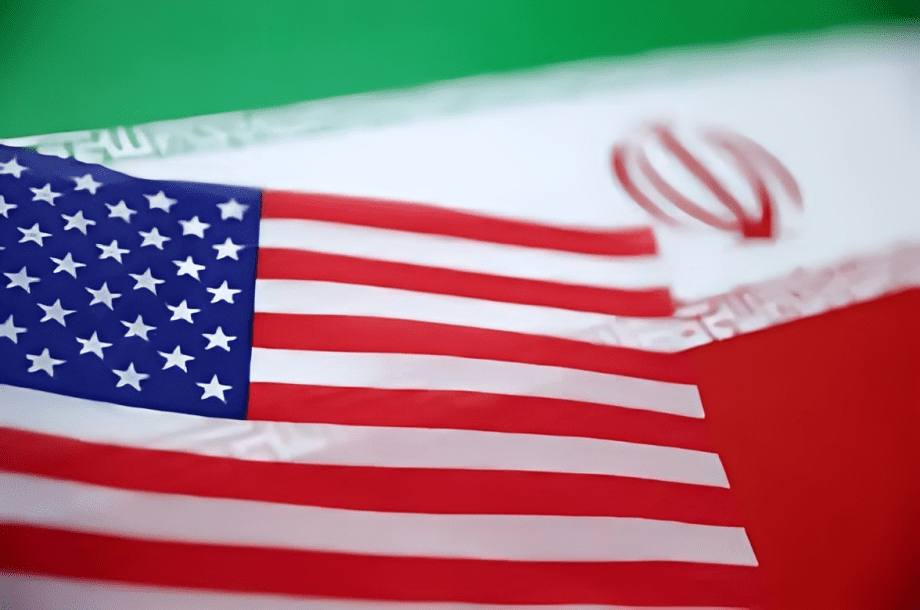
Diplomatic discussions between Iran and US officials in Geneva have resulted in an agreement on the fundamental principles of a potential nuclear deal. While no formal agreement has yet been finalized, both sides described the recent talks as constructive and forward-moving.
The negotiations mark another significant moment in the long and complex relationship between Iran and the United States, particularly concerning Tehran’s nuclear program. Although major differences remain, the agreement on core principles signals a cautious step toward easing tensions
Iran, US Make Progress but No Final Agreement Yet
Iranian Foreign Minister Abbas Araghchi confirmed that progress was achieved during the Geneva meetings. However, he emphasized that discussions are still at a preliminary stage.
According to Araghchi, the two sides have only agreed on broad principles that could shape a future deal. He clarified that there is currently no finalized agreement and no immediate timeline for signing a formal document.
The talks primarily focused on rebuilding trust and defining basic conditions that could guide future negotiations. Observers note that reaching consensus on principles is often the first step in complex international agreements.
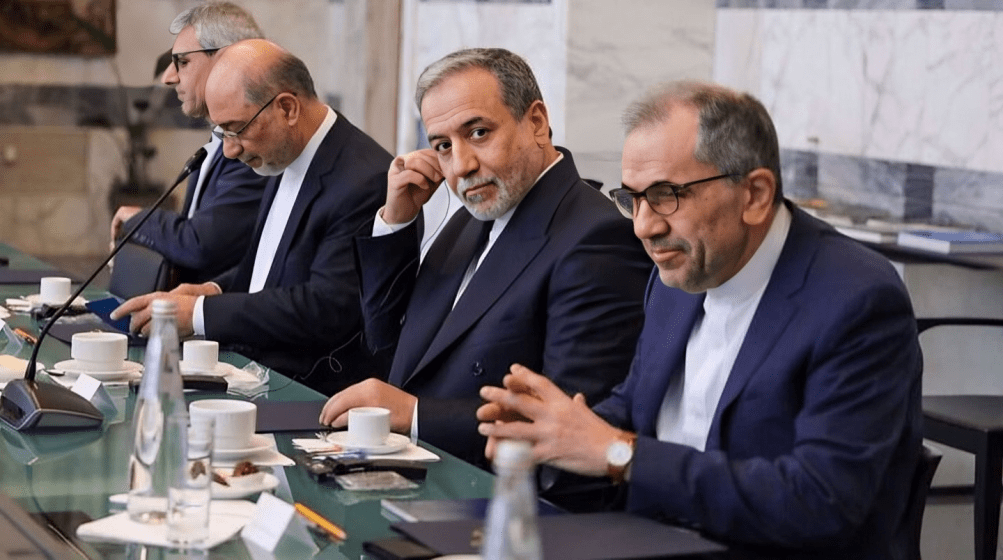
Tensions Remain Over Military Threats
One of the key points raised during the discussions involved references to the use of force. Iranian officials stressed that any explicit mention of military action by the United States must be removed immediately and without conditions.
Iran has consistently maintained that pressure tactics or threats will not lead to productive outcomes. Tehran argues that diplomatic progress can only occur when negotiations are conducted in an atmosphere of mutual respect
At the same time, previous statements by U.S. leadership have included warnings about possible action if diplomatic efforts fail. This tension has been a central issue in the broader Iran, US relationship over the past several years
Missile Program Declared a “Red Line”
Another major issue addressed in the Geneva talks concerns Iran’s missile program. Iranian leadership has firmly stated that its missile development is non-negotiable.
Officials emphasized that the missile program is a matter of national defense and sovereignty. As a result, Iran has ruled out any discussions that attempt to limit or alter this program.
This position remains one of the most sensitive aspects of the Iran, US negotiations, as Washington and some regional allies have expressed concerns about missile capabilities.
Regional Concerns About Escalation
Beyond the Geneva discussions, Gulf Arab countries have closely monitored the situation. Regional governments have warned that any military confrontation between Iran and the United States could destabilize the Middle East.
Experts believe that a diplomatic solution would benefit not only Iran and the US but also neighboring countries concerned about economic stability and security.
The possibility of renewed conflict could impact global energy markets and regional trade routes, making diplomatic progress crucial for broader international interests.
You must read this news: Pakistan, Britain Agree to Boost Bilateral Ties
The Broader Context of Iran-US Relations
Relations between Iran, US governments have fluctuated for decades, particularly regarding nuclear activity and sanctions. Previous agreements have faced challenges, and trust between the two nations remains limited.
However, the agreement on core principles in Geneva suggests that both sides recognize the importance of dialogue. While major obstacles remain, diplomatic engagement offers a pathway to reduce tensions.
Analysts note that successful negotiations will likely require compromises, confidence-building measures, and continued communication.
What Happens Next?
The next phase of talks will focus on translating agreed principles into more detailed frameworks. Technical discussions may follow, addressing verification mechanisms, timelines, and compliance measures.
While there is no confirmed deadline for a formal agreement, both Iran and the US appear willing to continue discussions.
For now, the Geneva talks represent a cautious but meaningful development in a historically tense relationship.
Conclusion
The recent Geneva negotiations show that Iran and US officials have found common ground on basic nuclear deal principles. Although no final agreement has been signed, the progress indicates a willingness to pursue diplomacy over confrontation.
With regional stability at stake, continued dialogue remains essential. The coming weeks will determine whether these initial principles can evolve into a comprehensive and lasting agreement between Iran and the United States.
Follow Us On Social Media Channels:-
Like On FACEBOOK
Visit our WEBSITE
Subscribe to YouTube
Follow On TWITTER
Follow On INSTAGRAM
About the Author