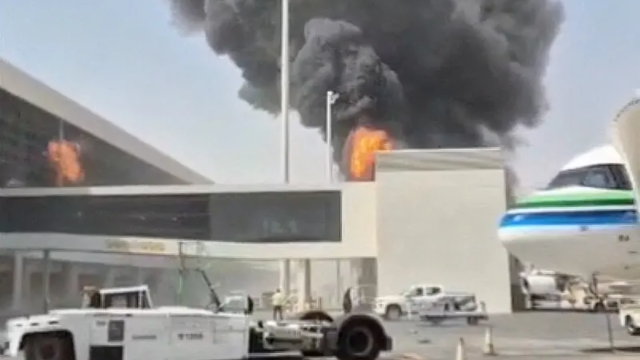

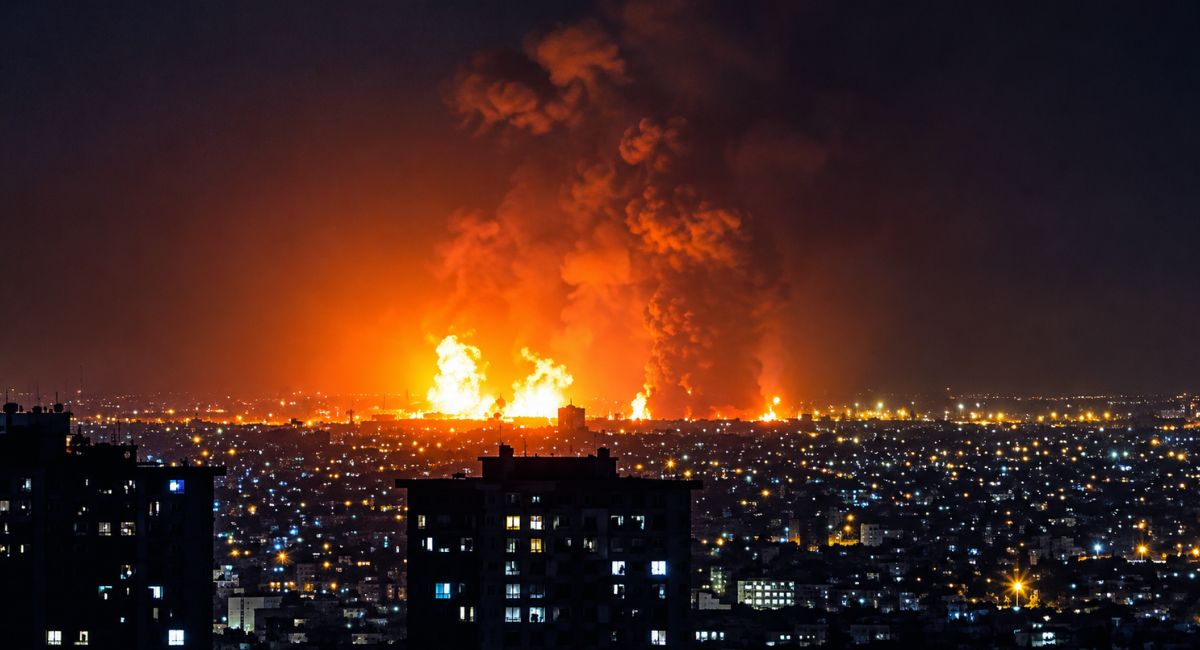
Think of Saudi Drone Attacks Eastern Province as the country’s engine room. Oil is pumped, processed and shipped from there, and the airport at Dammam is one of the main ways people and equipment get in and out. On Wednesday, both parts of that system were hit within hours of each other.
Two incidents, one logic:
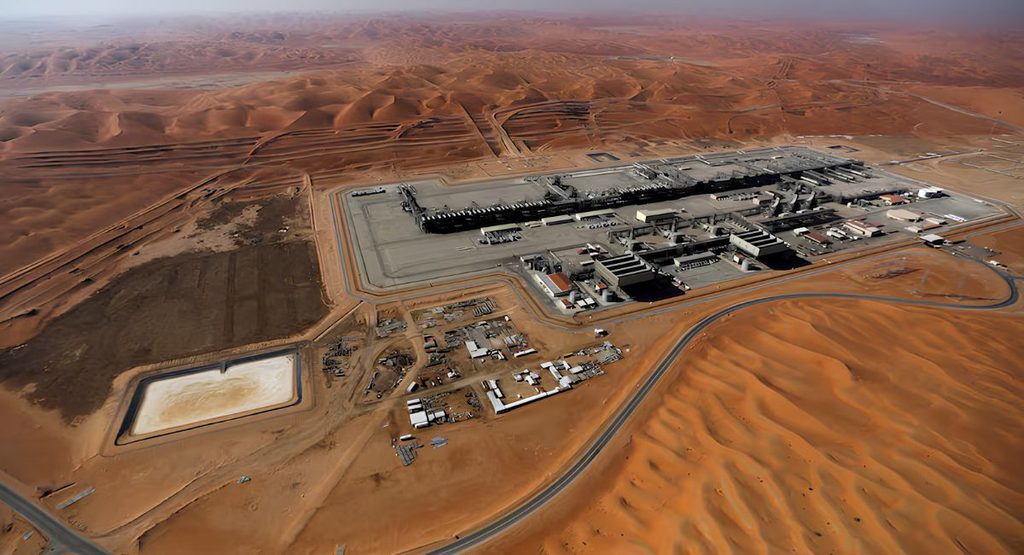
In the first of the Saudi drone attacks on the Eastern Province, air defences intercepted a drone aimed at a processing facility at Shaybah, a remote Aramco oil field.
In the desert, air defences intercepted a drone aimed at a processing facility. Debris killed a Filipino and a Nepali national and injured a Pakistani and an Indian national. It also set a contractor’s vehicle on fire outside the facility’s perimeter. National News
That evening, Saudi civil aviation authorities reported that an attack on King Fahd International Airport in Dammam killed one resident and injured eight. Damage was still being assessed.
Why this combination is the story (Saudi Drone Attacks)
One attack on one site is a security incident. Two attacks on an energy site and an airport serving the same region start to look like pressure on a system.
King Fahd International Airport serves Dammam and the economically important Eastern Province, including Dhahran and Al Khobar. Those cities house the engineers, contractors and service companies that keep Aramco running. Disrupt the airport, and you affect how quickly crews rotate, how parts arrive, and how confident companies feel about sending staff.
The part defence systems can’t fix
Wednesday’s Shaybah deaths came after the interception worked. A drone that never reached its target still killed two people when its wreckage came down.
That is a hard problem for any country with a lot of air defence over populated or busy industrial sites. Stopping a drone high up is one thing. Controlling where the pieces fall is another. In my assessment, this is why the people near the edge of these sites carry the most risk: contract drivers, maintenance crews and workers in temporary accommodation. They sit outside the hardened perimeter but inside the debris zone.
The pattern was already visible. Last month, debris from an intercepted drone killed a Yemeni resident of Saudi Arabia, the first civilian casualty since attacks on shipping and oil facilities increased.
Who is responsible?
No group has been confirmed as responsible for Wednesday’s Saudi drone attacks on the Eastern Province.
What this means for Pakistanis
Pakistan has one of the largest communities of expatriate workers in Saudi Arabia, and their earnings support families across the country. A few practical points:
- Check in with family there. Anyone in the Eastern Province should know their embassy or consulate’s emergency contacts and follow Saudi civil defence guidance.
- Expect travel friction. The US has already ordered non-emergency government staff and their families to leave Saudi Arabia. That isn’t an instruction to the public, but it shows how seriously Washington reads the risk, and airlines and insurers watch the same signals.
- Watch fuel and prices. Pakistan imports most of its energy. Sustained attacks on Gulf infrastructure tend to raise the risk premium on oil even when output isn’t affected.
What to watch next
- Whether airport closures become routine. One closure is a disruption. Repeated ones make airlines reroute and make firms reconsider travel.
- Whether debris-related deaths keep rising. That would push Saudi authorities toward different protection measures for workers, such as moving accommodation and vehicle parking away from sensitive sites.
- Diplomatic movement. Statements from Riyadh, Washington and regional capitals over the next few days will show whether this is heading toward de-escalation or a longer campaign.