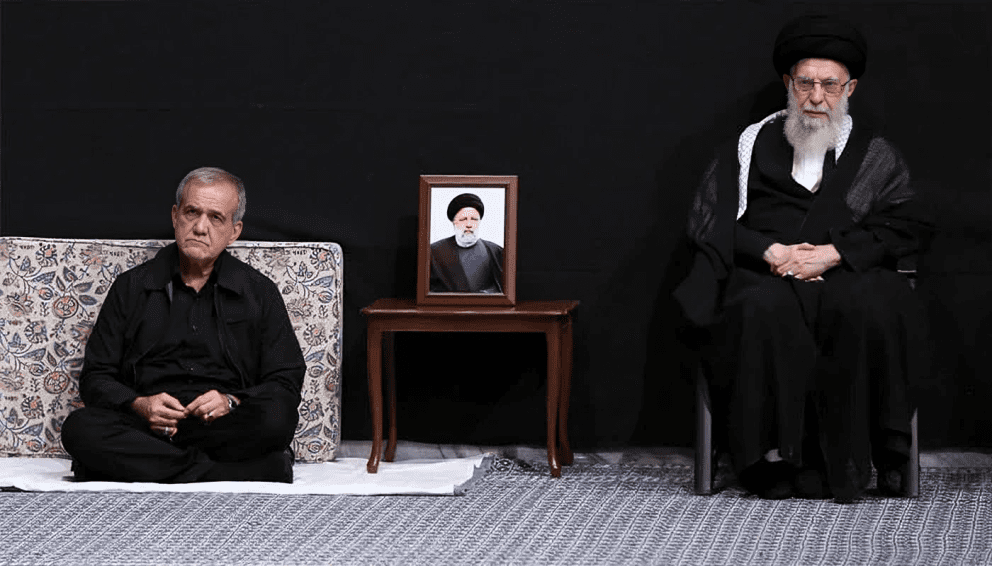
Supreme Leader and President Targeted in Attack on Iran
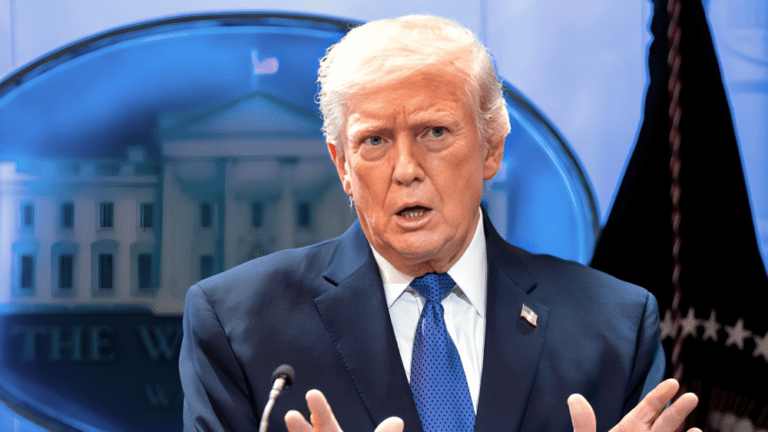
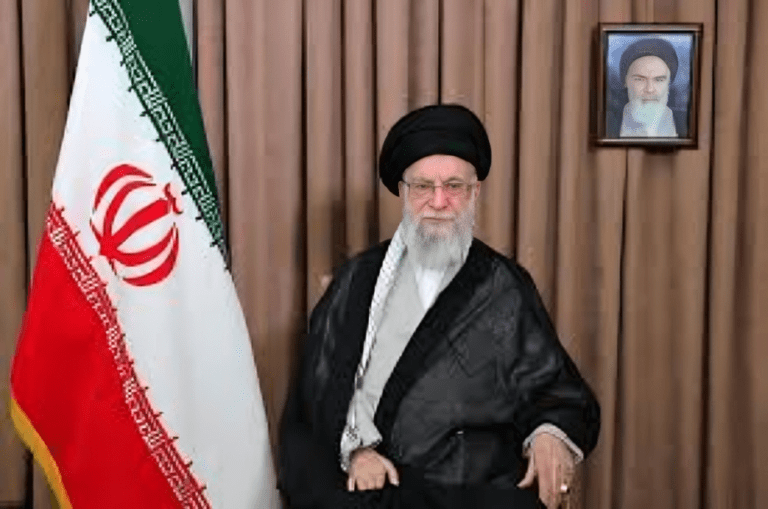
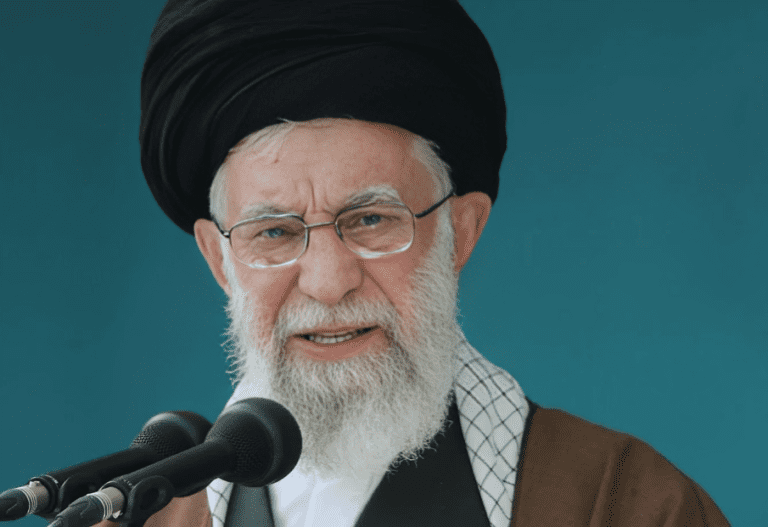
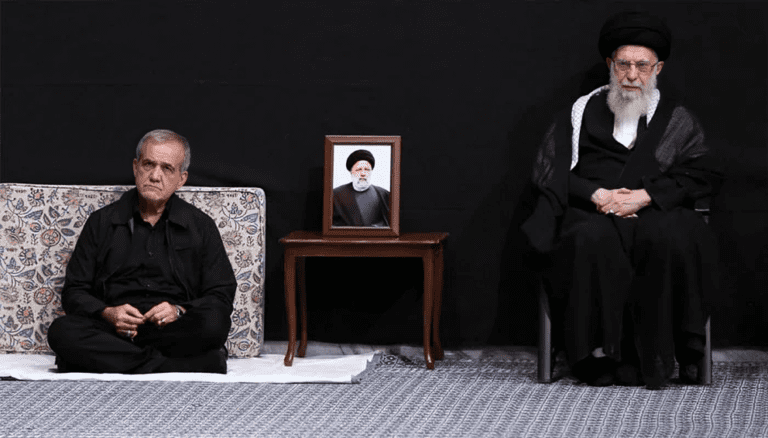
In a shocking development, Israeli officials have confirmed that the Supreme Leader and President of Iran were targeted in a recent attack. The assault involved multiple missiles striking key areas in Tehran, creating chaos and raising tensions across the region. This incident has sparked global concern due to its potential implications for Middle East security.
Details of the Attack in Tehran
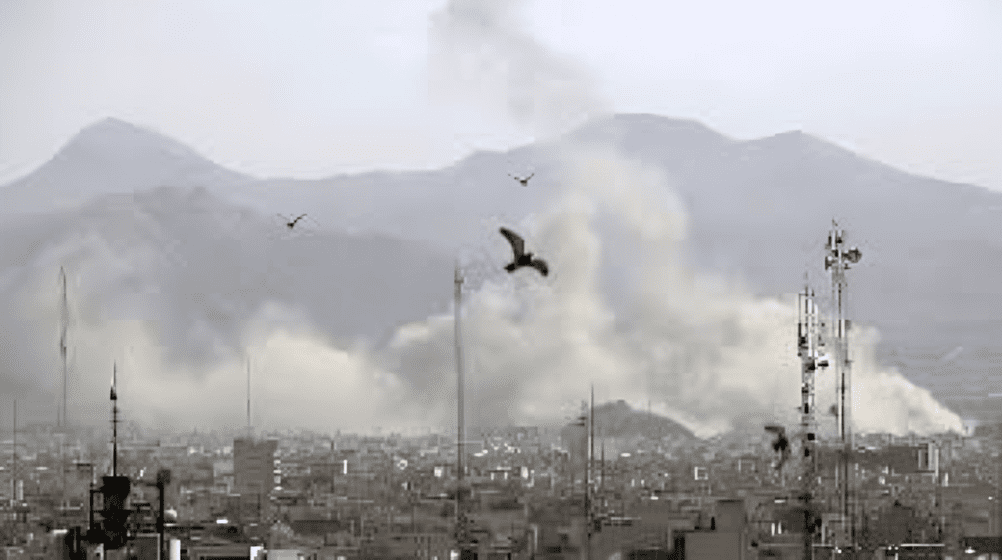
According to Iranian media, several missiles, reportedly fired by Israel with support from the United States, landed in central Tehran. Key locations targeted included University Street and the Democratic Area, both of which are close to major government institutions. Thick clouds of smoke were reported rising from the affected areas, causing panic among residents.
Eyewitnesses described the scene as chaotic, with residents fleeing to safer locations. Iranian officials confirmed that seven missiles hit near the presidential palace and the compound of Supreme Leader Khamenei. The scale and precision of the attack indicate it was carefully planned to target the country’s leadership.
Response from Iranian Authorities
Following the missile strikes, Iran closed its airspace temporarily for six hours as a precautionary measure. Iranian defense officials stated that emergency protocols were activated to ensure the safety of civilians and government staff. Security forces were deployed in Tehran and surrounding regions to prevent further damage and maintain order.
Iranian authorities also issued a warning to nearby countries and airlines to avoid their airspace temporarily, highlighting the seriousness of the situation.
Global Reactions and Regional Impact
The attack on Iran has immediately drawn international attention. Israel confirmed it carried out preemptive strikes, while the United States backed these actions, citing strategic security concerns. In response, schools across Israel were closed, and airspace restrictions were implemented. Residents were instructed to avoid airports and public areas due to security threats.
In neighboring Qatar, the U.S. embassy advised American citizens to remain in shelters, while sirens sounded in occupied Jerusalem, signaling heightened regional alert.
Strategic Significance of the Targeted Locations
The missile strikes on Iran focused on areas critical to the country’s governance and military operations. University Street and the Democratic Area are central to Tehran’s administrative framework, and the attacks have disrupted normal government functioning. Experts believe that targeting the Supreme Leader and President represents a serious escalation in regional tensions, potentially affecting diplomatic relations and ongoing negotiations in the Middle East.
You must read this news: Gold Prices in Pakistan Soar — What’s Behind It?
Safety Measures and Civilian Impact
The attacks have caused significant concern among civilians in Tehran. Thick smoke and multiple explosions created chaos in residential and commercial areas. Iranian emergency services were quick to respond, evacuating residents and treating casualties. Fortunately, early reports suggest that many residents were able to find shelter in time, though the full extent of civilian impact is still being assessed.
Historical Context and Escalating Tensions
The targeting of Iran’s top leadership comes at a time of already heightened tensions between Israel, the U.S., and Iran. Previous diplomatic talks have faced challenges, and this military escalation could further complicate efforts for peaceful resolution. Analysts warn that such attacks can lead to retaliatory actions, potentially triggering a larger regional conflict.
International Diplomacy and Warnings
Global leaders have urged restraint following the attacks on Iran. The United Nations has called for immediate dialogue to prevent further escalation. Diplomatic channels are being activated to assess the situation and reduce the risk of broader conflict. Observers stress that protecting civilians and avoiding civilian casualties must remain a priority.
Conclusion: Uncertain Future for Iran and the Region
The missile attack targeting the Supreme Leader and President of Iran marks a significant moment in Middle East geopolitics. With multiple Israeli missiles striking Tehran and airspace closures in effect, the situation remains tense. Global attention is focused on Iran as authorities respond to the crisis, and international diplomatic efforts are underway to de-escalate potential conflict.
While the immediate focus remains on safety and damage assessment, this incident may have long-term implications for Iran’s security policies, regional stability, and international relations. Analysts emphasize the importance of calm, strategic diplomacy to prevent further escalation and ensure the safety of civilians and government institutions.
Follow Us On Social Media Channels:-
Like On FACEBOOK
Visit our WEBSITE
Subscribe to YouTube
Follow On TWITTER
Follow On INSTAGRAM
About the Author