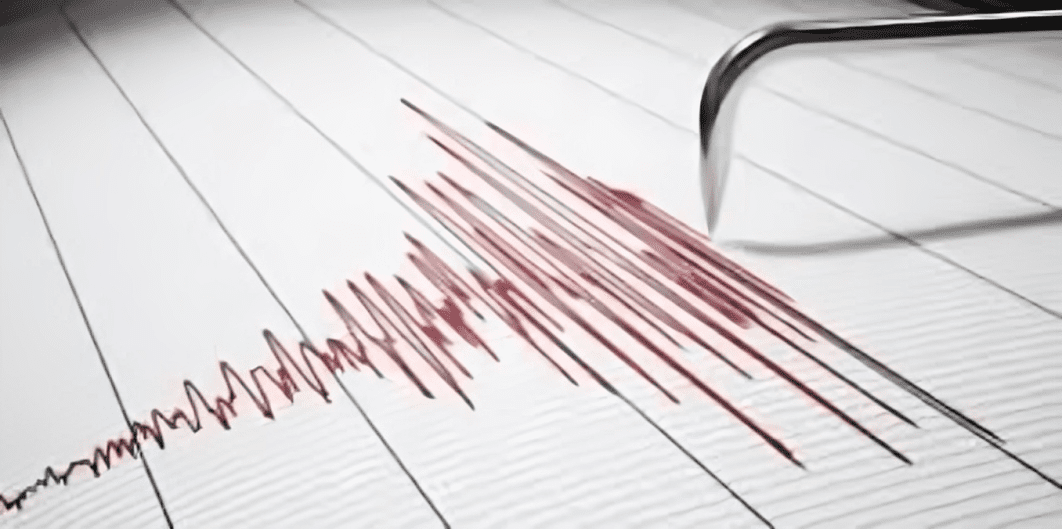
6.3 Magnitude Earthquake Reported Near Alaska, No Tsunami Warning Issued
A powerful 6.3 magnitude earthquake struck near Alaska, according to data released by the United States Geological Survey (USGS). The tremor was recorded at a shallow depth of approximately one kilometer, making it a noticeable seismic event in the region.
Despite the strength of the quake, authorities confirmed that no tsunami warning was issued following the seismic activity. Emergency monitoring systems remained active to assess any potential aftershocks or related risks.
Alaska Earthquake: Key Details and Magnitude
The Alaska earthquake was officially measured at 6.3 on the Richter scale. Seismic events of this magnitude are considered strong and can be felt across a wide area, particularly when they occur at shallow depths.
According to the US Geological Survey, the quake’s depth was around one kilometer below the surface. Shallow earthquakes tend to produce stronger ground shaking compared to deeper ones, which often dissipate some energy before reaching the surface.
Fortunately, there were no immediate reports of widespread damage or casualties. Local authorities are continuing to monitor the situation as precautionary measures remain in place.
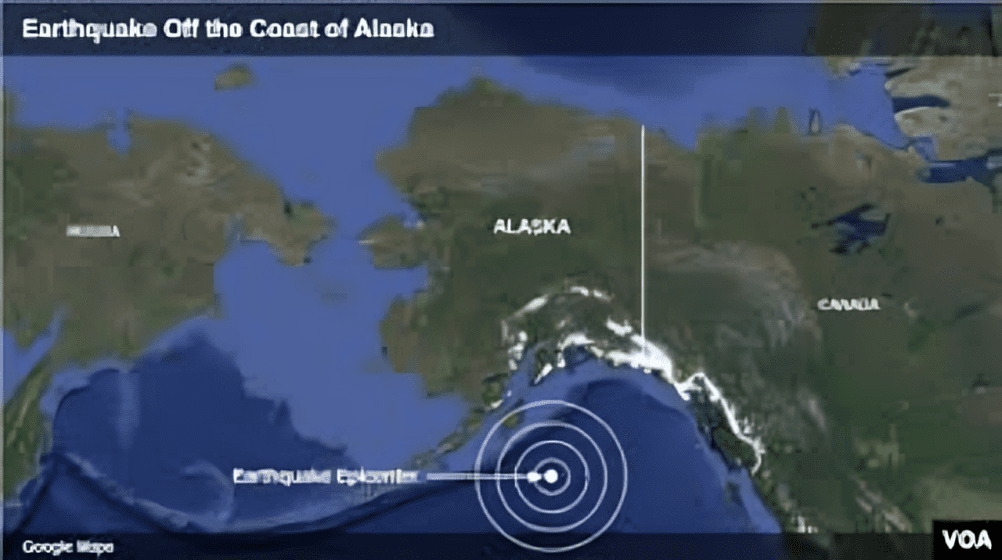
Why Alaska Experiences Frequent Earthquakes
Alaska is one of the most seismically active regions in the world. The state lies along the Pacific “Ring of Fire,” an area known for its frequent earthquakes and volcanic activity.
The movement of tectonic plates beneath Alaska makes the region particularly vulnerable to seismic activity. The Pacific Plate interacts with the North American Plate, leading to stress buildup and occasional releases in the form of earthquakes.
Over the years, Alaska has experienced some of the most significant earthquakes ever recorded in North America. Due to this history, monitoring systems are highly developed and continuously active.
Alaska Tsunami Warning System Response
Following the 6.3 magnitude earthquake, the U.S. Tsunami Warning System evaluated the risk of a tsunami. Officials confirmed that no tsunami warning was issued, indicating that the quake did not pose a threat of large-scale ocean wave activity.
The absence of a tsunami warning suggests that the earthquake’s characteristics did not meet the necessary criteria for ocean displacement capable of generating significant waves. Nevertheless, authorities remain vigilant in tracking seismic developments.
The tsunami monitoring system plays a critical role in protecting coastal communities in Alaska. Quick assessments help prevent unnecessary panic while ensuring public safety.
Impact and Public Safety Measures
Although no major damage has been reported so far, local emergency agencies have advised residents to stay alert. Aftershocks are common after earthquakes of this magnitude and may occur in the hours or days following the initial event.
Residents in Alaska are generally well-prepared for seismic activity. Earthquake preparedness plans, emergency kits, and structural safety regulations contribute to reducing potential risks.
You must read this news: UK: New Rules for Dual Nationals Start Wednesday
Officials encourage individuals to review safety guidelines, including identifying safe spots inside buildings, staying away from windows during shaking, and checking for structural damage after tremors subside.
Understanding Earthquake Magnitude and Depth
A 6.3 magnitude earthquake is considered strong but not uncommon for Alaska. Earthquakes are measured using seismic instruments that calculate the energy released at the source.
The shallow depth of this quake, recorded at about one kilometer, is notable. Shallow earthquakes often result in more noticeable shaking, even if they do not necessarily cause widespread destruction.
Seismologists continue to analyze data to determine if there is any pattern of increased seismic activity in the area.
Conclusion
The recent 6.3 magnitude earthquake near Alaska serves as a reminder of the region’s active geological nature. While the shallow depth contributed to noticeable shaking, the U.S. Tsunami Warning System confirmed that no tsunami warning was necessary.
Authorities continue to monitor aftershocks and assess the situation. For now, there have been no confirmed reports of significant damage or injuries.
As one of the most earthquake-prone areas in the world, Alaska remains equipped with advanced monitoring systems and emergency preparedness protocols to ensure public safety during seismic events.
Follow Us On Social Media Channels:-
Like On FACEBOOK
Visit our WEBSITE
Subscribe to YouTube
Follow On TWITTER
Follow On INSTAGRAM
About the Author